Future
Return to Normality and Advanced Democratisation: Scenarios for a normal Russia in the future. Part 4
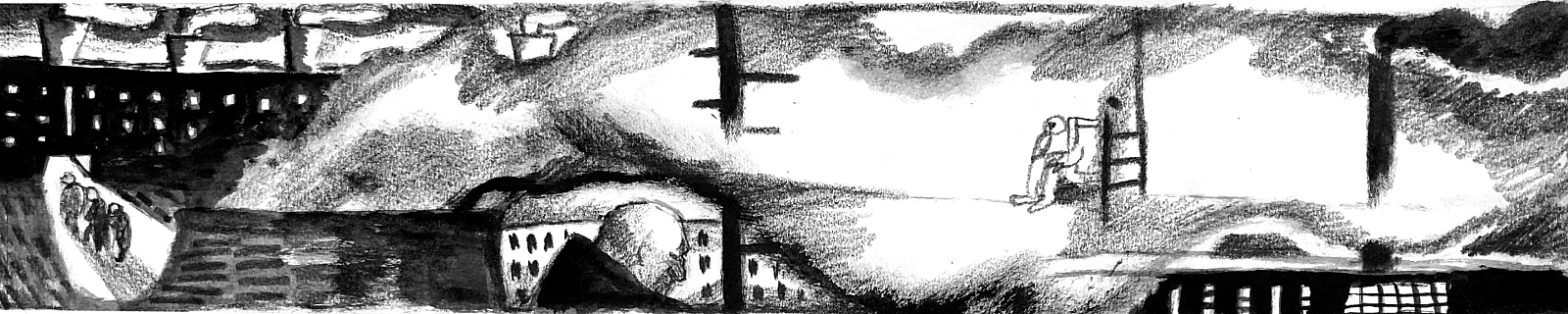 The design of successfully functioning democracies varies widely and is largely a compromise between the circumstances of their emergence and their subsequent evolution. The search for the best recipe for Russian democratic institutions is less important than a discussion of the key objectives of reform and the institutional design challenges around which the principal debate is unfolding today and is likely to continue in the future.
Return to Normality and Advanced Democratisation: Scenarios for a normal Russia in the future. Part 3
The design of successfully functioning democracies varies widely and is largely a compromise between the circumstances of their emergence and their subsequent evolution. The search for the best recipe for Russian democratic institutions is less important than a discussion of the key objectives of reform and the institutional design challenges around which the principal debate is unfolding today and is likely to continue in the future.
Return to Normality and Advanced Democratisation: Scenarios for a normal Russia in the future. Part 3
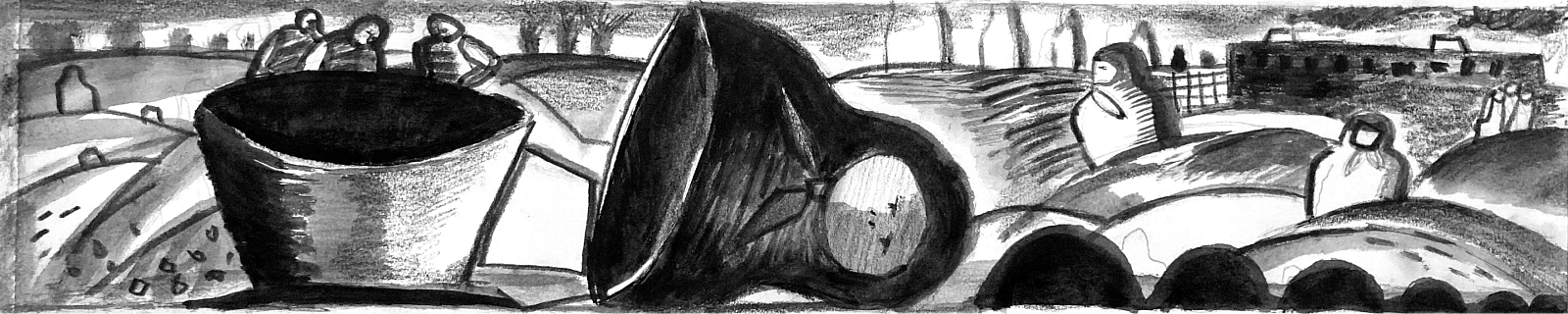 Projects for the democratisation of post-Putin Russia are typically characterised by both the radical nature of the solutions they propose and by a detachment from the question of how, and under what conditions, these solutions might actually be in demand or implemented. A discussion of a realistic strategy for a democratic coalition requires framing the potential democratisation of Russia as a political process with its own logic, stages, intermediate goals and limitations.
Return to Normality and Advanced Democratisation: Scenarios for a normal Russia in the future. Parts 1–2
Projects for the democratisation of post-Putin Russia are typically characterised by both the radical nature of the solutions they propose and by a detachment from the question of how, and under what conditions, these solutions might actually be in demand or implemented. A discussion of a realistic strategy for a democratic coalition requires framing the potential democratisation of Russia as a political process with its own logic, stages, intermediate goals and limitations.
Return to Normality and Advanced Democratisation: Scenarios for a normal Russia in the future. Parts 1–2
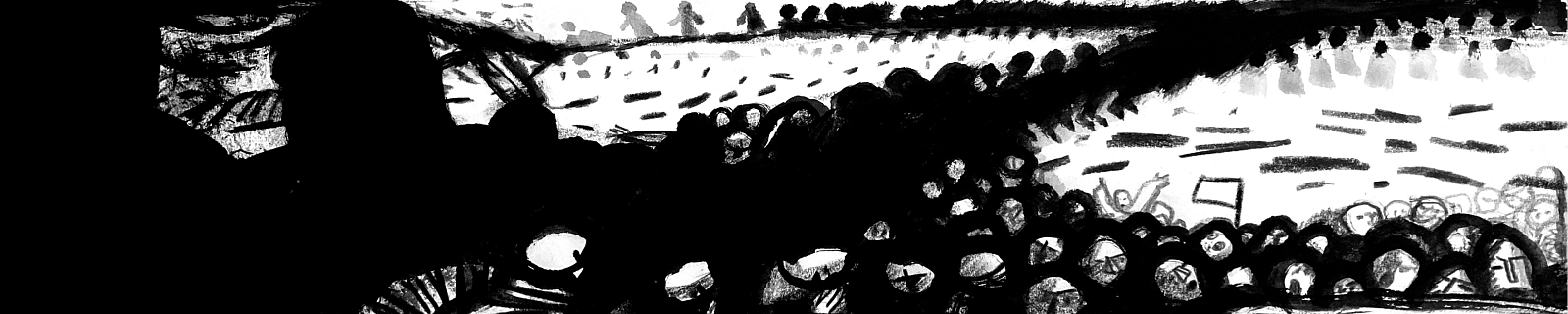 The demand for an alternative is not about tomorrow, but about today. To become influential at a moment of intensifying contradictions within the current dictatorship, this alternative must be articulated as early as possible and must appear realistic, rather than utopian. It must emerge from the suppressed demand for change and will have a chance of success if it is positioned not as a breakthrough into a democratic utopia, but as an agenda of normalisation and the restoration of a viable future.
 Pandora's Black Box: Key Trends and Risks for 2026
On the eve of and in the first days of the new year, many publications and think tanks published their forecasts and risk assessments for 2026, which, judging by all appearances, will be even more turbulent, tense and unpredictable than 2025. Five themes feature, in one form or another, in almost all of these reviews: Trump, Europe, Russia, China and artificial intelligence.
Pandora's Black Box: Key Trends and Risks for 2026
On the eve of and in the first days of the new year, many publications and think tanks published their forecasts and risk assessments for 2026, which, judging by all appearances, will be even more turbulent, tense and unpredictable than 2025. Five themes feature, in one form or another, in almost all of these reviews: Trump, Europe, Russia, China and artificial intelligence.
 Waiting for a Window: Do reform projects for post-Putin Russia make sense today?
The widespread enthusiasm for projects to reshape post-Putin Russia cannot replace efforts to structure a broad political coalition. At the same time, however, it draws attention to discussions about key choices facing the opposition and the shared ‘vision of the future’ that should underpin its programme.
Somewhere Between Mauritania and Portugal: Possible Trajectories of the Putin Regime Through the Lens of Comparative Data
Waiting for a Window: Do reform projects for post-Putin Russia make sense today?
The widespread enthusiasm for projects to reshape post-Putin Russia cannot replace efforts to structure a broad political coalition. At the same time, however, it draws attention to discussions about key choices facing the opposition and the shared ‘vision of the future’ that should underpin its programme.
Somewhere Between Mauritania and Portugal: Possible Trajectories of the Putin Regime Through the Lens of Comparative Data
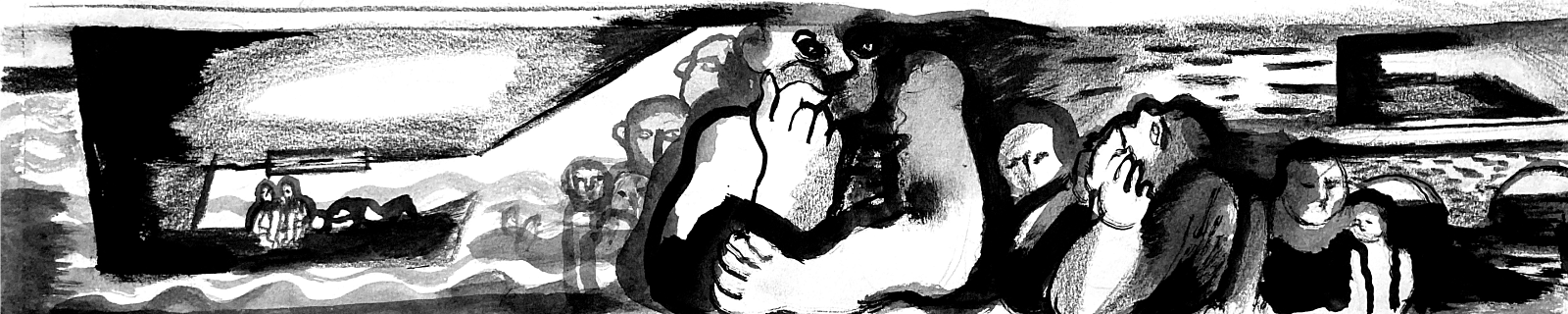 When discussing the future of Putin's regime, experts usually present it as a mechanical projection of the trends observed in the present. However, real history often unfolds along trajectories that appear unpredictable under this approach. Comparative data allow us to partially overcome this inertia of thinking. What do they say about the effects of wars on political regimes and the prospects for different types of personalist autocracies?
.jpg) Two Visions of The Future: A new global disorder or the noose of nationalism?
The weakening of the global West, evident in its inability to counter Putin’s aggression, along with Trump’s return, form the main motif of today's projections of humanity's future for the next decade. However, a shift toward a dangerous and unstable multipolarity does not necessarily mean a war of all against all.
Protracted Military Putinism: How long it will last and how it will end. Realities and projections
Two Visions of The Future: A new global disorder or the noose of nationalism?
The weakening of the global West, evident in its inability to counter Putin’s aggression, along with Trump’s return, form the main motif of today's projections of humanity's future for the next decade. However, a shift toward a dangerous and unstable multipolarity does not necessarily mean a war of all against all.
Protracted Military Putinism: How long it will last and how it will end. Realities and projections
 The political regime that emerged in Russia as a result of the transformation of the war from blitzkrieg into a protracted conflict has overcome a period of vulnerability and instability. Protracted military Putinism should now be considered the baseline scenario, within which the regime is able to mitigate imbalances, endure significant deterioration of the economy and manage political risks. However, this does not mean that the regime has overcome threats and challenges.
The Russian Matrix Plus China: Presidential elections and scenarios for the country's future
Gloomy with a Glimpse of Sunshine: US global leadership, Middle East settlement, the end of the Putin era, the diminishing likelihood of conflict over Taiwan and the challenges of the third nuclear era
The political regime that emerged in Russia as a result of the transformation of the war from blitzkrieg into a protracted conflict has overcome a period of vulnerability and instability. Protracted military Putinism should now be considered the baseline scenario, within which the regime is able to mitigate imbalances, endure significant deterioration of the economy and manage political risks. However, this does not mean that the regime has overcome threats and challenges.
The Russian Matrix Plus China: Presidential elections and scenarios for the country's future
Gloomy with a Glimpse of Sunshine: US global leadership, Middle East settlement, the end of the Putin era, the diminishing likelihood of conflict over Taiwan and the challenges of the third nuclear era
 From Gorbachev to Stalin: Four scenarios for Russia according to analysts from Atlantic Council, plus one from RE: RUSSIA
The Prigozhin rebellion is now claiming the role of a 'black swan' or trigger event — an occurrence that seemed entirely improbable and, now that it has happened, is forcing observers to reassess their understanding of the domestic political situation in Russia and, as such, their notions of what might happen in the future.
Paths for the Future: Possible scenarios for to a long-ruling autocrat who unleashes war
The Cradle of Disintegration: Will the North Caucasus Once Again Become the Epicentre of Separatism in Russia?
If Not Putin, Then What: What could Russia be like after the war?
The Disappearance Dilemma: Post-Putin Russia must begin before Putin leaves
Hopes of a new future for Russia ‘after Putin’ may fail to materialise if the demand for change is not already in place before he leaves. However, the sceptics' view that Putinism will necessarily outlive Putin does not seem all too convincing either. They underestimate the potential for modernisation that has been accumulated by Russian society throughout the post-Soviet decades.
From Gorbachev to Stalin: Four scenarios for Russia according to analysts from Atlantic Council, plus one from RE: RUSSIA
The Prigozhin rebellion is now claiming the role of a 'black swan' or trigger event — an occurrence that seemed entirely improbable and, now that it has happened, is forcing observers to reassess their understanding of the domestic political situation in Russia and, as such, their notions of what might happen in the future.
Paths for the Future: Possible scenarios for to a long-ruling autocrat who unleashes war
The Cradle of Disintegration: Will the North Caucasus Once Again Become the Epicentre of Separatism in Russia?
If Not Putin, Then What: What could Russia be like after the war?
The Disappearance Dilemma: Post-Putin Russia must begin before Putin leaves
Hopes of a new future for Russia ‘after Putin’ may fail to materialise if the demand for change is not already in place before he leaves. However, the sceptics' view that Putinism will necessarily outlive Putin does not seem all too convincing either. They underestimate the potential for modernisation that has been accumulated by Russian society throughout the post-Soviet decades.
 Putinism without Putin: what is it and is it even possible?
Not only for the Russian elites, but also for a significant part of the population who were relatively satisfied with the economic prosperity of life before the war, an attractive scenario for the future is not the total collapse of the regime, but rather the establishment of Putinism without Putin himself, as he has now threatened the very existence of this ideology
Russia After: amid Putin's failure in the war with Ukraine, experts and elites focus more on power transit scenarios and the search for a presidential successor
Putinism without Putin: what is it and is it even possible?
Not only for the Russian elites, but also for a significant part of the population who were relatively satisfied with the economic prosperity of life before the war, an attractive scenario for the future is not the total collapse of the regime, but rather the establishment of Putinism without Putin himself, as he has now threatened the very existence of this ideology
Russia After: amid Putin's failure in the war with Ukraine, experts and elites focus more on power transit scenarios and the search for a presidential successor
The design of successfully functioning democracies varies widely and is largely a compromise between the circumstances of their emergence and their subsequent evolution. The search for the best recipe for Russian democratic institutions is less important than a discussion of the key objectives of reform and the institutional design challenges around which the principal debate is unfolding today and is likely to continue in the future.
Return to Normality and Advanced Democratisation: Scenarios for a normal Russia in the future. Part 3
Projects for the democratisation of post-Putin Russia are typically characterised by both the radical nature of the solutions they propose and by a detachment from the question of how, and under what conditions, these solutions might actually be in demand or implemented. A discussion of a realistic strategy for a democratic coalition requires framing the potential democratisation of Russia as a political process with its own logic, stages, intermediate goals and limitations.
Return to Normality and Advanced Democratisation: Scenarios for a normal Russia in the future. Parts 1–2
The demand for an alternative is not about tomorrow, but about today. To become influential at a moment of intensifying contradictions within the current dictatorship, this alternative must be articulated as early as possible and must appear realistic, rather than utopian. It must emerge from the suppressed demand for change and will have a chance of success if it is positioned not as a breakthrough into a democratic utopia, but as an agenda of normalisation and the restoration of a viable future.
Pandora's Black Box: Key Trends and Risks for 2026
On the eve of and in the first days of the new year, many publications and think tanks published their forecasts and risk assessments for 2026, which, judging by all appearances, will be even more turbulent, tense and unpredictable than 2025. Five themes feature, in one form or another, in almost all of these reviews: Trump, Europe, Russia, China and artificial intelligence.
Waiting for a Window: Do reform projects for post-Putin Russia make sense today?
The widespread enthusiasm for projects to reshape post-Putin Russia cannot replace efforts to structure a broad political coalition. At the same time, however, it draws attention to discussions about key choices facing the opposition and the shared ‘vision of the future’ that should underpin its programme.
Somewhere Between Mauritania and Portugal: Possible Trajectories of the Putin Regime Through the Lens of Comparative Data
When discussing the future of Putin's regime, experts usually present it as a mechanical projection of the trends observed in the present. However, real history often unfolds along trajectories that appear unpredictable under this approach. Comparative data allow us to partially overcome this inertia of thinking. What do they say about the effects of wars on political regimes and the prospects for different types of personalist autocracies?
Two Visions of The Future: A new global disorder or the noose of nationalism?
The weakening of the global West, evident in its inability to counter Putin’s aggression, along with Trump’s return, form the main motif of today's projections of humanity's future for the next decade. However, a shift toward a dangerous and unstable multipolarity does not necessarily mean a war of all against all.
Protracted Military Putinism: How long it will last and how it will end. Realities and projections
The political regime that emerged in Russia as a result of the transformation of the war from blitzkrieg into a protracted conflict has overcome a period of vulnerability and instability. Protracted military Putinism should now be considered the baseline scenario, within which the regime is able to mitigate imbalances, endure significant deterioration of the economy and manage political risks. However, this does not mean that the regime has overcome threats and challenges.
The Russian Matrix Plus China: Presidential elections and scenarios for the country's future
Gloomy with a Glimpse of Sunshine: US global leadership, Middle East settlement, the end of the Putin era, the diminishing likelihood of conflict over Taiwan and the challenges of the third nuclear era
From Gorbachev to Stalin: Four scenarios for Russia according to analysts from Atlantic Council, plus one from RE: RUSSIA
The Prigozhin rebellion is now claiming the role of a 'black swan' or trigger event — an occurrence that seemed entirely improbable and, now that it has happened, is forcing observers to reassess their understanding of the domestic political situation in Russia and, as such, their notions of what might happen in the future.
Paths for the Future: Possible scenarios for to a long-ruling autocrat who unleashes war
The Cradle of Disintegration: Will the North Caucasus Once Again Become the Epicentre of Separatism in Russia?
If Not Putin, Then What: What could Russia be like after the war?
The Disappearance Dilemma: Post-Putin Russia must begin before Putin leaves
Hopes of a new future for Russia ‘after Putin’ may fail to materialise if the demand for change is not already in place before he leaves. However, the sceptics' view that Putinism will necessarily outlive Putin does not seem all too convincing either. They underestimate the potential for modernisation that has been accumulated by Russian society throughout the post-Soviet decades.
Putinism without Putin: what is it and is it even possible?
Not only for the Russian elites, but also for a significant part of the population who were relatively satisfied with the economic prosperity of life before the war, an attractive scenario for the future is not the total collapse of the regime, but rather the establishment of Putinism without Putin himself, as he has now threatened the very existence of this ideology
Russia After: amid Putin's failure in the war with Ukraine, experts and elites focus more on power transit scenarios and the search for a presidential successor